
Volunteer Spotlight
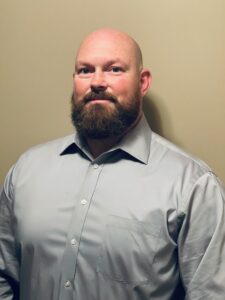
When Rick Hobbs finished high school, he thought his opportunities for a brighter future were limited. He enlisted in the military mainly because he believed he had few alternatives.
“I didn’t realize there were other options for me,” Hobbs explains. “I don’t regret it one bit because I learned a lot of important life lessons. But had I known that there were other opportunities available to me that I didn’t know existed, maybe I would have chosen a different path.”
Now, in his work as a Youth Treatment Specialist, Hobbs sees the same self-limiting beliefs in many of the young men he works with. Because of their past or how they perceive they are viewed by others, they often aim lower than perhaps they should. Hobbs’ goal is to help change this by instilling confidence in them and challenging them to push beyond what they think is possible.
“I just want to make sure that the kids that I work with are informed that they have more options,” Hobbs explains. “I say to them, ‘Let’s explore them. Let’s see what you want to do and try to find a path to get to where you want to be.’”
Driven by this mission, Hobbs has dedicated his entire career to helping young men and women bounce back from adversity. He was inspired by a high school friend who called her work “life changing.”
“I asked her what her likes and dislikes were,” Hobbs says, “and she told me that she loves it, and that the work helped her with her own personal growth. At the time, that’s something I was looking for as well.”
That decision eventually led Hobbs to work for Spencer Home, which provides independent living services for former Pierceton Woods students. Hobbs explains that his work is designed to build off what young men learn at Pierceton Woods.
“We help our residents build resumes, find jobs, and learn about cooking and nutrition,” he says. “Today, for example, I helped one of our residents complete a job application, and I’m taking a group to tour some colleges. These are skills many of us learn from an invested adult, but since these young men might not have that person in their lives, they may never have that chance.”
This idea—that the young men he works with haven’t had the same advantages that many of us have had—is another source of motivation for Hobbs.
“Most of the kids Pierceton Woods serves have had a horrific past,” Hobbs says. “They’ve been victims in one way or another. The alternative would be to let them remain in the judicial system or in the often-unhealthy environments they come from. That’s why it’s so gratifying when we can break down those walls and change a kid’s life.”
And when Hobbs looks back on his own childhood, his work provides a full-circle moment—a chance to give the kids he serves something he didn’t always have when he was younger.
“That’s what I love most about my work. When I was a kid, if I’d had an opportunity at a place like this, my early years would have been very different. Now, I’m just thankful I found this opportunity in my career to provide others with a safe, supportive and empowering environment, so they can grow, learn, and build.”
“When I hear someone say, ‘This program changed my life,’ I know we’re doing something right.”